Retaining walls in Poplar
If you are looking into retaining walls in Poplar, you are probably dealing with one of a few common local challenges: a sloping garden, a boundary that needs support, a raised patio, a commercial yard that needs better ground control, or a tired old wall that is starting to lean, crack, or crumble. In a busy East London area like Poplar, where homes, converted flats, courtyards, trade spaces, and mixed-use developments often sit close together, a retaining wall has to do more than look neat. It has to hold back soil safely, manage pressure from rain and ground movement, and suit the space you actually have available.
A well-built retaining wall can transform a difficult outdoor area into usable space. It can create level sections in a garden, support changes in height between neighbouring plots, reduce erosion, and help protect paths, parking spaces, and access routes. For local property owners, the right wall is not only about appearance. It is also about practical structure, long-term stability, and making the most of land that may be tight, uneven, or awkwardly shaped.
Whether you need a new wall installed, an existing wall repaired, or advice on the most suitable materials and design for your property, a local team experienced in retaining wall construction in Poplar can help you choose the right approach for your site conditions. From domestic gardens near the Limehouse edge to commercial and residential plots around Canary Wharf, Isle of Dogs, Blackwall, and nearby parts of Tower Hamlets, local knowledge matters because access, drainage, and ground conditions can vary a lot from one property to the next.
Why retaining walls matter for Poplar properties

Poplar has a distinctive mix of property types, from older terraces and maisonettes to newer apartment developments and business premises. That variety means retaining walls often need to solve different problems in different settings. In a small garden, for example, a wall may be needed to hold back a raised bed or create a level lawn area. In a commercial location, it may be about stabilising a loading space, protecting a boundary, or managing a change in level around a service yard.
In an urban setting, drainage and ground movement can play a major role in how long a wall lasts. Heavy rainfall, compacted soil, and limited room for deep foundations can all increase pressure on the structure. That is why retaining wall installation in Poplar should always be planned with the site conditions in mind, not just the finished appearance. A wall that looks fine on day one but was not designed for the actual load behind it can become expensive to fix later.
For many property owners, a new wall is also about improving how the space is used. You may want to reclaim a sloped area for seating, make a front garden easier to maintain, create a secure edge around a driveway, or separate different garden levels in a way that feels tidy and intentional. The best retaining walls are the ones that balance strength, drainage, and design so that the space works better every day.
Common reasons people need retaining walls
- To support soil on sloping or uneven ground
- To create level areas for patios, lawns, or planting
- To reduce erosion and washout after heavy rain
- To support raised borders or planters
- To protect paths, driveways, and access routes
- To improve the look and use of a compact outdoor space
- To replace a wall that has become unsafe or unstable
Retaining wall services for homes and businesses

Local customers often search for retaining wall services because they need something tailored, not generic. A family with a split-level garden in Poplar will have different priorities from a landlord looking after a rental property, or a business owner needing a practical boundary solution around a yard or storage area. A local contractor should be comfortable working on both residential retaining walls and commercial retaining walls, adapting the design to the job rather than trying to force one method onto every site.
For homeowners, the focus may be on style, safety, and low maintenance. For commercial clients, it may be about durability, access, and keeping disruption to a minimum. In both cases, the wall should be built with correct foundations, sensible drainage, and materials that suit the intended load and environment. That may mean concrete blocks, brick-faced structures, natural stone, gabions, timber systems, or a reinforced solution depending on the height and function of the wall.
In and around Poplar, access can also be a deciding factor. Some properties have tight side passages, shared walkways, limited parking, or controlled estate access. A local team understands the realities of moving materials through these spaces, protecting nearby surfaces, and keeping the work area organised. That matters because even the best design can run into problems if the practical setup has not been thought through from the start.
What a local team can help with
From the initial site look to the final tidy-up, a professional service can help with planning, measuring, excavation, wall construction, drainage provision, and finishing details. Some projects are straightforward. Others require careful consideration of nearby structures, fences, paving, trees, or utility features. The point is to build a wall that fits the property properly and lasts well under real conditions.
How retaining wall projects usually work

Every site is different, but most retaining wall projects follow a similar pattern. It starts with understanding the purpose of the wall and the conditions on site. Is the wall holding back a garden bed, forming a new terrace, supporting a driveway edge, or replacing an old failed structure? Is the ground firm or soft? Is there water pooling nearby? Are there neighbouring boundaries to respect? These practical questions shape the design and the build method.
Once the plan is clear, the next step is usually excavation and preparation. Retaining walls need a proper base because the pressure behind them is constant. A shallow or weak foundation can lead to movement, leaning, or cracking. Depending on the design, the build may also include drainage stone, perforated pipes, weep holes, geotextile layers, or other drainage features to help relieve water pressure behind the wall. This is a crucial part of the job and should never be treated as an afterthought.
After the structure is built, it is finished so it matches the property and performs as intended. That may include capping stones, rendered faces, neat pointing, planted edges, or backfill and landscaping around the wall. For many customers, the aim is not only structural support but also a better-looking outdoor area that feels complete and practical.
Typical stages in the work
- Site visit and discussion of the project goals
- Assessment of levels, soil conditions, and access
- Design advice on height, materials, and drainage
- Preparation and excavation for the foundations
- Building the wall to the agreed specification
- Adding drainage and backfill where needed
- Finishing, clearing the area, and checking the result
Materials and styles that suit Poplar properties
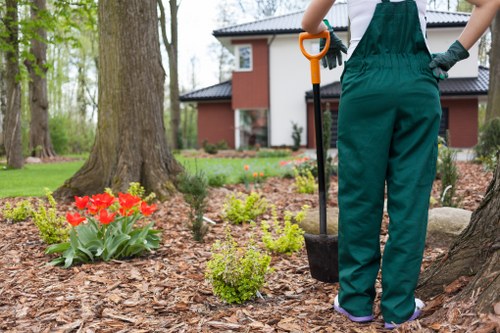
The best material for a retaining wall depends on what it needs to do and how you want it to look. In Poplar, many properties benefit from a clean, modern finish that works well with brickwork, paved areas, and compact outdoor spaces. Others may suit a more traditional look, especially where a wall needs to blend with older boundary lines or existing garden features.
Brick retaining walls can suit many homes where appearance matters and the wall is part of a visible garden or frontage. Concrete block retaining walls are often chosen for strength and reliability, particularly where the wall needs to carry more load or form a solid structural edge. Stone retaining walls can provide a natural and attractive finish, while timber retaining structures may be suitable for certain lighter garden applications where the height and loading are modest. For heavier-duty needs, gabions or reinforced systems may be more appropriate.
It is also worth thinking about how the wall will interact with the rest of the space. A wall next to paving needs to be built carefully so movement does not affect nearby surfaces. A wall supporting planting beds may need a different finish than one beside a driveway or service access. The right local contractor should be able to talk through the options in plain English and help you weigh up appearance, performance, and maintenance.
Points to think about when choosing a material
- How much weight the wall needs to support
- Whether the wall will be highly visible
- How the wall will handle drainage
- Whether the space allows deep foundations
- How the material fits the surrounding property style
- How much maintenance you are happy to carry out
Signs your retaining wall may need attention

If you already have a retaining wall, it is worth checking it regularly for early warning signs. Small issues can sometimes be repaired before they become serious, but once a wall starts to fail structurally, the problem can spread quickly. Common signs include leaning, bulging, cracking, loose mortar, displaced blocks or bricks, sinking near the base, or water seeping through in unusual places. If you notice these issues, it is sensible to get advice sooner rather than later.
In Poplar, weather exposure and limited drainage space can make wall problems worse. Water trapped behind a wall creates extra pressure, and repeated wet and dry cycles can weaken older materials. In some cases, the wall may also be affected by nearby groundworks, tree roots, or changes in the level of the surrounding land. A local inspection can help identify whether the problem is surface-level damage, drainage-related, or a deeper structural concern.
Repair options vary. Some walls only need repointing, local rebuilding, or improved drainage behind the structure. Others may need partial reconstruction or a full replacement to make the area safe again. A trustworthy local service should explain the situation clearly so you can decide whether repair or replacement is the most practical option for your property and budget.
Watch for these warning signs
- Visible leaning or movement
- Cracks running through the wall
- Loose or missing masonry units
- Water pooling near the base
- Soil escaping through joints
- Sections that feel unstable or hollow
- Damage after heavy rain or ground disturbance
What is included in a retaining wall service?
When people enquire about retaining walls in Poplar, they often want to know exactly what is included. While every project is different, a proper service normally covers the key elements needed to build a safe and durable wall. That typically includes assessing the site, advising on the most suitable structure, preparing the ground, constructing the wall, and making sure drainage has been considered from the start.
Some customers also want help with the surrounding area, such as backfilling, neatening edges, or integrating the wall with patios, paths, steps, fences, or planting areas. This can be especially useful in smaller gardens where the retaining wall is part of a larger improvement project and the finished result needs to feel cohesive rather than pieced together.
For commercial properties, the service may include planning the work to reduce disruption to staff, deliveries, residents, or visitors. In local mixed-use and business environments, that can make a real difference. A team familiar with the area will understand that working neatly, efficiently, and safely is just as important as the final finish.
Service features customers usually value
- Clear advice on wall type and size
- Careful preparation and proper foundations
- Drainage planning to reduce water pressure
- Construction suited to the site’s load requirements
- Attention to appearance and finishing details
- Clean working practices and site respect
Pricing factors for retaining wall work in Poplar
Customers often want a realistic idea of what affects the cost of retaining wall work. Exact figures depend on the site, the design, and the materials, but the main pricing factors are usually straightforward. The height and length of the wall matter, as do the excavation depth, access conditions, and whether the wall is new or a replacement. Walls that need more structural support or drainage measures may also require more labour and materials.
Access can be especially important in Poplar. If materials need to be carried through narrow side passages, lifted into place in stages, or delivered with limited parking nearby, the logistics can affect the amount of work involved. That does not mean the project is difficult, but it does mean local experience is valuable when estimating the job accurately and planning the work sensibly.
The best approach is to request a site visit or quote based on your actual property. That allows the contractor to understand the layout, measure the wall properly, and factor in the realistic work needed. It also helps avoid surprises later. A clear quote should explain what is included so you can compare options on a like-for-like basis.
Main cost influences
- Wall height and total length
- Material choice and finish
- Ground conditions and excavation needs
- Drainage requirements
- Access and parking limitations
- Removal of old wall materials
- Additional landscaping or finishing work
Why choose a local company for Poplar retaining walls
Choosing a local company for retaining wall construction in Poplar brings practical advantages. A nearby team is more likely to understand the mix of property layouts, access constraints, and neighbouring structures common in the area. They are also more familiar with the sort of site conditions that often appear in East London, where ground levels can change across short distances and outdoor spaces may need to work hard in a limited footprint.
Local knowledge matters when the job involves carrying materials through shared access, managing work in a tight courtyard, or coordinating around roads and parking that are not always convenient. It also helps when the retaining wall needs to tie into existing paving, brickwork, or garden features. A local contractor can look at the whole setting, not just the wall in isolation, and suggest a solution that fits naturally.
Another advantage is communication. When you want a quotation, a site discussion, or a follow-up visit, dealing with a local team usually makes the process more straightforward. That can be particularly useful for landlords, managing agents, and business owners who need a project to move ahead with less stress and fewer delays.
Benefits of using a local specialist
- Better understanding of local property types
- More practical advice on access and logistics
- Solutions suited to compact urban spaces
- Efficient service for domestic and commercial jobs
- Ease of arranging visits and discussing options
Areas covered around Poplar
Retaining wall services in Poplar often extend into nearby parts of East London, especially where property types and access conditions are similar. This can include surrounding neighbourhoods and districts such as Canary Wharf, Blackwall, Limehouse, Isle of Dogs, Bow, Canning Town, and other nearby Tower Hamlets locations where external space needs to be used carefully and safely.
Local customers in these areas often need the same kinds of solutions: boundary support, garden levelling, raised planting areas, wall repair, and structural rebuilding. Whether the property is a flat with a small outdoor terrace, a family home with an awkward slope, or a commercial yard that needs reinforcement, the goal is the same: a wall that performs properly and looks right for the setting.
If you are unsure whether your property falls within the usual service area, it is best to ask when making an enquiry. A local team can usually confirm quickly whether the job is suitable and whether the access or site conditions make it a good fit.
Typical local job types
- Garden retaining walls
- Front boundary support walls
- Driveway edge retaining structures
- Raised planters and terrace walls
- Wall replacement after failure or movement
- Commercial yard and access-edge walls
Preparation checklist before your retaining wall project
A little preparation can make the process smoother and help the project get off to a good start. If you are planning a retaining wall installation or repair, it helps to think about what the wall needs to achieve and what is already in place on site. This is especially useful if the wall is part of a wider landscaping job or if access is restricted.
Before work begins, try to gather information about the area. If the wall is replacing an old one, note any damage, leaning, or drainage issues you have seen. If the space is shared or near a boundary, check whether neighbouring features may be affected. It also helps to clear loose items from the work area and make sure pathways or access points are usable where possible.
Being ready with a few simple details makes it easier to get a useful quote and a realistic plan. The clearer the starting point, the easier it is for a local professional to suggest the best wall type and explain what the build will involve.
Helpful things to prepare
- Approximate wall length and height
- Photos of the area and any damage
- Information about slopes or drainage issues
- Details of access restrictions or parking limits
- Any preferences for materials or appearance
- Whether the wall is domestic, shared, or commercial
FAQs about retaining walls in Poplar
How do I know if I need a new wall or a repair?
If the wall has minor mortar damage, small cracks, or isolated wear, a repair may be enough. If it is leaning, bulging, or showing major structural movement, replacement may be safer. A site inspection is the best way to judge this properly.
Do retaining walls always need drainage?
Most retaining walls benefit from drainage because water pressure is one of the main reasons walls fail. The exact method depends on the wall design, the soil, and the height of the structure.
Can a retaining wall be built in a small garden?
Yes. Many Poplar properties have compact outdoor spaces, and retaining walls can be designed to fit tight areas. Careful planning is important so the wall makes the space more usable without overwhelming it.
What if access is limited?
Limited access is common in urban areas, and a local team should be used to working around it. The project may just need a little more planning for materials, equipment, and waste removal.
Will the wall need maintenance?
That depends on the material and design. Some walls need little more than occasional checking, while others may need repointing, cleaning, or drainage maintenance over time. Regular inspection helps catch small issues early.
Can retaining walls be combined with landscaping?
Absolutely. Many customers choose to have the wall built as part of a broader outdoor improvement, such as new paving, steps, planting beds, or a patio. This can create a much better final result than treating each element separately.
Ready to improve your outdoor space?
If you are considering retaining walls in Poplar, now is a good time to take the next step. Whether you need a completely new structure, repairs to an existing wall, or advice on the best solution for a sloped garden or commercial boundary, a local specialist can help you move forward with confidence.
A properly designed retaining wall can add usable space, improve safety, and make your property easier to manage. It can also give a tired or difficult outdoor area a far more polished finish. If you have been putting off the job because the site feels awkward or the choices are unclear, a local visit and a straightforward quotation can make the process much easier.
Contact us today to discuss your project, request a free quote, or book a service visit. If you are ready to turn an uneven, unstable, or underused area into something more practical and attractive, it starts with the right retaining wall solution for your Poplar property.